Explore practical policy measures that force corporations to be honest and protect public health.
This lecture introduces learners to Front-of-Package Labeling (FOPL) as a critical public health policy tool designed to help consumers make healthier food choices and reduce diet-related noncommunicable diseases (NCDs). The module explains the purpose and importance of FOPL, highlighting how simple, visible, and interpretive nutrition information displayed on food packaging can influence purchasing behavior and improve population health outcomes.
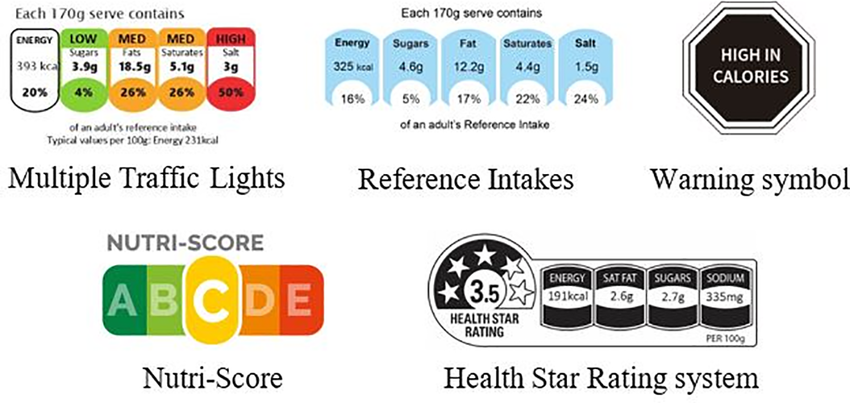
Learners will explore the different types of FOPL systems used globally, including reductive labels, interpretive labels, summary indicators, and front-of-package warning labels (FOPWL), with particular emphasis on why warning labels are considered the global gold standard. The lecture also examines the role of nutrient profile models (NPMs) in determining which products require labeling and how evidence-based thresholds are established.
The module further analyzes mandatory versus voluntary labeling approaches, demonstrating why government-led, compulsory FOPL policies are more effective than industry self-regulation. Through global case studies from countries such as Mexico, Argentina, South Africa, and others, learners gain insight into real-world implementation, enforcement mechanisms, and measurable public health impacts.
By the end of this lecture, participants will understand the effectiveness of FOPWL, global best practices for policy adoption, and how FOPL fits into broader nutrition, food regulation, and health advocacy strategies. The course also encourages learners to reflect on how best-practice FOPL policies can be promoted and adapted within their own national contexts.
FAQ area empty

0.0
Tayo Ajayi is the Associate Director, Africa for the Global Health Advocacy Incubator’s Cardiovascular Health program. She works on policy and regulatory change to reduce death and disease burden from unhealthy food consumption across select African countries. She supports the passage of national food policies to improve diet quality in Africa; eliminating industrially produced trans-fatty acids from the food supply, reducing sodium intake in processed foods through salt targets, food labeling and marketing restrictions. Prior to this position Tayo led the Prevent Epidemics budget advocacy program at GHAI where she advocated for countries to create dedicated budget lines for epidemic preparedness and response.
 1 Course
 0 Review
 Enroll Now

